020 71832792
 info@privatedoctor.london

How Anxiety Disorders Can Affect Keeping Up With Crown Maintenance Visits
Introduction
Many people living with anxiety disorders find that dental appointments are amongst the most difficult routine health commitments to maintain. This is particularly true for patients who have had dental crowns fitted and need to attend regular maintenance check-ups to keep them in good condition. It is entirely understandable — dental anxiety is a common and well-recognised experience for many adults.
If you have a dental crown and find yourself repeatedly postponing your check-up appointments, you are not alone. But it is worth understanding what may happen to a crown when maintenance visits are missed, and what practical steps exist to make attendance feel more manageable.
This article explores how anxiety disorders can interfere with crown maintenance routines, what the potential dental implications are, and how patients can approach the situation in a way that supports both their mental and oral health. It does not replace a clinical assessment, but aims to provide balanced, useful information for adults navigating this situation.
Can Anxiety Disorders Affect Dental Crown Care?
Yes. Anxiety disorders can make it difficult to attend routine crown maintenance appointments, which are important for monitoring the crown, the underlying tooth, and the surrounding gum tissue. Prolonged avoidance may allow problems such as decay beneath the crown or gum changes to develop undetected. A dental professional can help identify supportive strategies.
What Is a Dental Crown and Why Does It Require Maintenance?
A dental crown is a custom-made cap placed over a natural tooth after restorative treatment that has been significantly damaged, weakened by decay, or treated with root canal therapy. Crowns can also be used to improve the appearance of a heavily discoloured or misshapen tooth.
Crowns are made from a range of materials, including porcelain, porcelain-fused-to-metal, ceramic, or metal alloys. Each material has different characteristics in terms of strength, appearance, and longevity.
Regardless of the material used, a crown requires ongoing monitoring. The crown itself does not decay, but the natural tooth structure beneath it — and the margins where the crown meets the gum — remain vulnerable to:
- Plaque accumulation and gum inflammation
- Tooth decay developing at the crown margin or beneath the crown
- Changes in the fit of the crown over time
- Wear or damage to the crown surface
- Bite changes affecting how the crown functions
This is why routine dental check-ups remain important even after a crown has been successfully placed.
How Anxiety Disorders Can Disrupt Dental Attendance
Anxiety disorders — including generalised anxiety disorder (GAD), health anxiety, panic disorder, post-traumatic stress disorder (PTSD), and specific phobias — can each interfere with dental attendance in different ways.
Anticipatory Anxiety and Avoidance
One of the most common patterns associated with dental phobia and high dental anxiety is anticipatory anxiety: the distress that builds up before an appointment, sometimes days or even weeks in advance. For many people, this anticipatory distress becomes so uncomfortable that cancelling or postponing the appointment feels like the only manageable option in the short term.
The difficulty is that avoidance tends to reinforce anxiety over time rather than reducing it. Each cancelled appointment can make the next one feel more daunting, creating a cycle that becomes increasingly difficult to interrupt.
Health Anxiety and Crown Concerns
People living with health anxiety may find dental appointments particularly challenging because they can trigger fears about receiving unwelcome clinical information. Paradoxically, this can lead to avoidance of the very appointments that could provide reassurance or allow early, simpler treatment if something minor has developed.
Past Negative Dental Experiences
Patients who have had difficult or painful previous dental experiences may experience a conditioned anxiety response when attending any dental setting — even for a routine check-up. This is an understandable psychological response and does not reflect a personal failure.
Sensory Sensitivity and Neurodivergence
Some individuals experience heightened sensory sensitivity — including those who are neurodivergent — and may find the sounds, smells, lights and physical sensations associated with dental environments particularly difficult to manage.
What Can Happen When Crown Maintenance Is Delayed?
It is important to address this section without creating unnecessary alarm. Many people miss occasional appointments without significant consequence, and outcomes vary considerably between individuals depending on their oral hygiene, diet, and the specific clinical situation.
That said, there are genuine reasons why a dental professional would recommend that crown maintenance is not deferred indefinitely.
Decay at the Crown Margin
The most commonly cited concern is the development of secondary decay (sometimes called recurrent decay) at the margin where the crown meets the natural tooth. If plaque consistently accumulates at this junction and is not adequately disrupted through brushing and interdental cleaning, the tooth structure beneath can gradually demineralise.
Because the crown itself does not give any visual indication of what is happening beneath it or at its edges, this type of decay can go unnoticed without clinical examination and appropriate radiographic assessment.
Gum Changes Around the Crown
The gum tissue around a crowned tooth requires the same level of care as gum tissue around natural teeth. Gum inflammation, recession, or periodontal changes can affect the long-term integrity of a crown, particularly in terms of crown fit and aesthetics.
Crown Damage or Wear
Crowns can become chipped, worn, or may show changes in fit over time — particularly if the bite changes or if there is parafunctional activity such as tooth grinding (bruxism). A dental professional can identify these changes before they develop into more significant problems.
Changes in Underlying Tooth Structure
In teeth that have had root canal treatment, there may be circumstances where ongoing monitoring of the root is clinically appropriate. Only a qualified dental professional can determine what monitoring is relevant for a particular patient.
The Dental Science: Why the Crown Margin Matters
To understand why maintenance is clinically important, it helps to consider how a crown interacts with the underlying tooth.
A dental crown sits on a prepared tooth stump — a shaped version of the original tooth from which enamel and dentine have been removed to accommodate the crown. The crown is cemented onto this prepared structure.
At the point where the crown edge meets the gum line, there is a margin. Even in an excellently placed crown, this margin is a microscopic junction between two different materials — the crown and the natural tooth. Bacteria and plaque can accumulate at this junction.
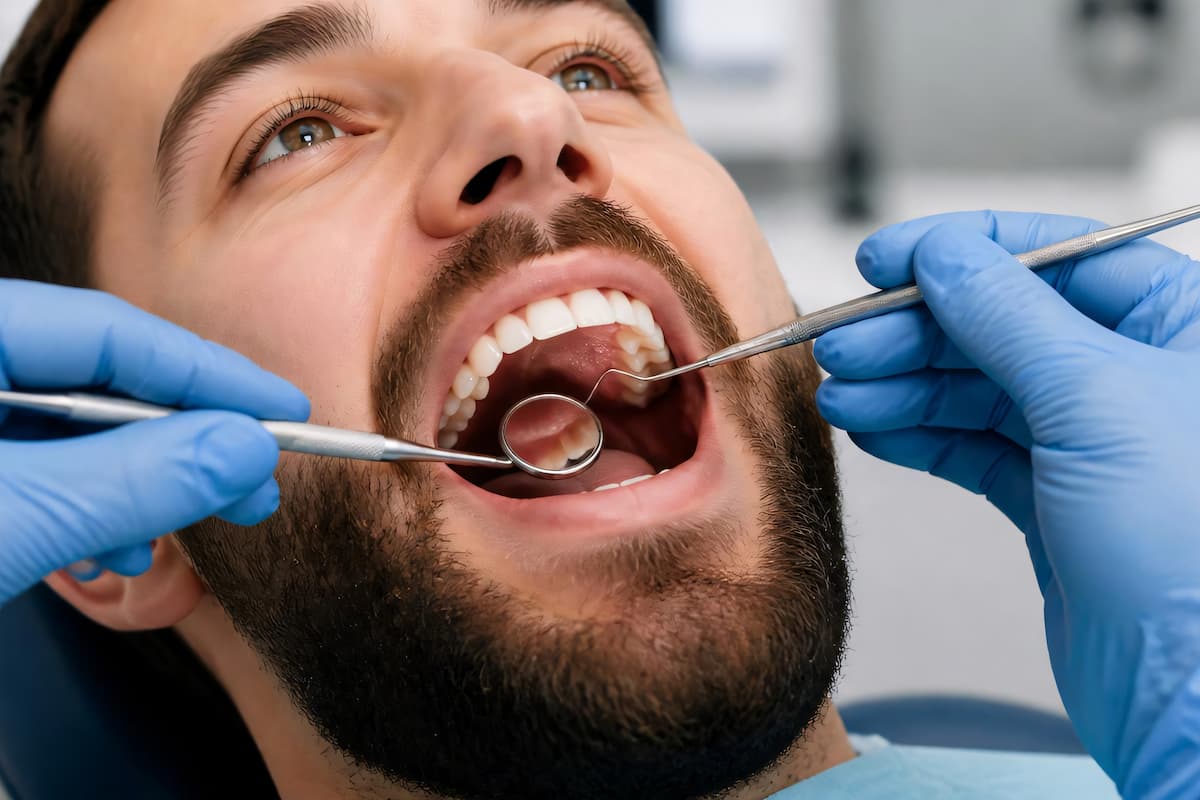
The cementum and dentine that may be exposed near the crown margin are less resistant to acid attack than intact enamel. This is why scrupulous oral hygiene around crowns — including interdental brushing or flossing — is important on a daily basis, and why a dentist needs to periodically check the integrity of this margin using clinical examination and, where indicated, dental radiographs.
Practical Strategies for Managing Dental Anxiety Around Crown Appointments
If anxiety is making it difficult to attend crown maintenance visits, there are several approaches that may help. These are general suggestions — a GP, dentist, or mental health professional can provide more personalised guidance.
Communicate Honestly With Your Dental Team
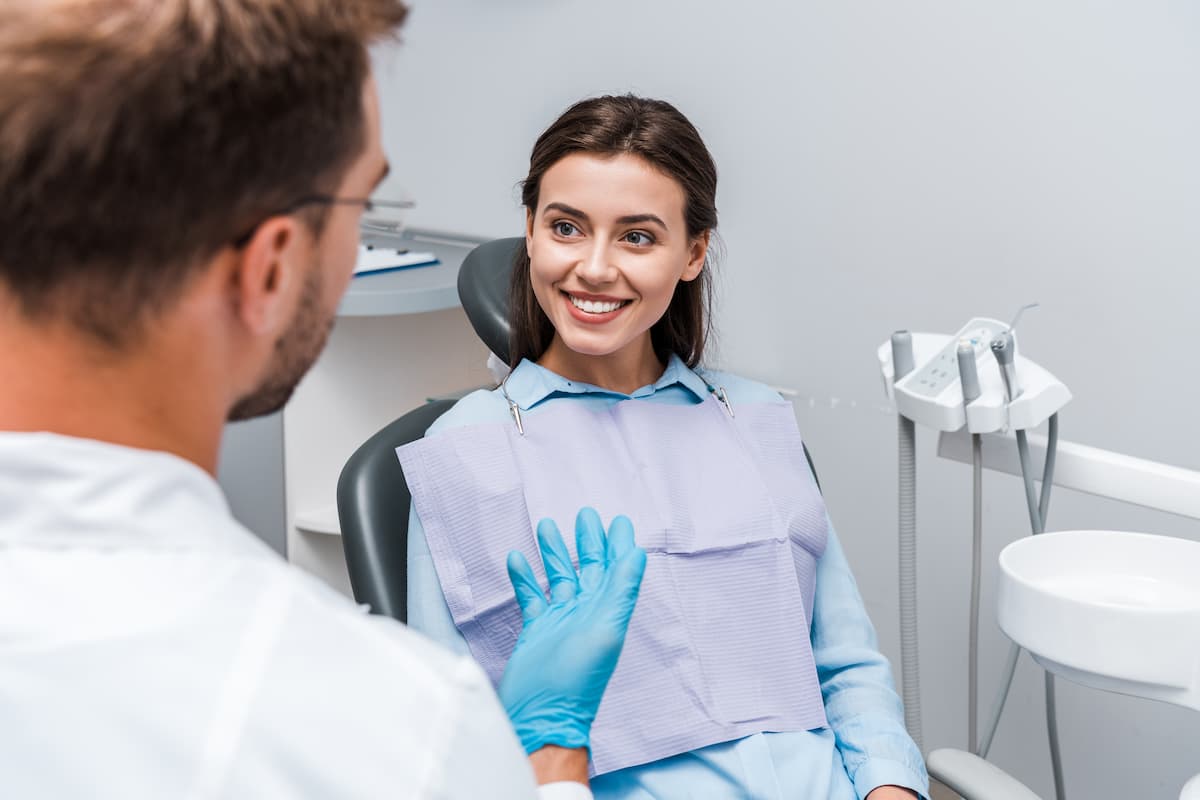
Many dental practices are experienced in supporting patients with dental anxiety. Letting the practice know about your anxiety before attending — ideally when booking — means they can make reasonable adjustments to help your appointment feel more manageable. This might include longer appointment slots, agreed signals to pause treatment, or information about what the check-up will involve.
Consider Requesting a Pre-Appointment Consultation
Some patients find it helpful to attend an initial conversation-based appointment without any clinical procedures taking place. This can help re-establish familiarity and trust with the dental environment.
Ask About Appointment Timing
Some people find that booking the first appointment of the day reduces the anxiety associated with waiting. Others prefer to attend later when they have had time to prepare. Individual preferences vary.
Explore Anxiety Management Support
If dental anxiety is part of a broader anxiety disorder, speaking to a GP or mental health professional may be beneficial. Approaches such as cognitive behavioural therapy (CBT) can be discussed as part of wider support for specific phobias and anxiety disorders, and this may over time make dental attendance feel more manageable.
Consider Whether the Clinical Environment Is Right for You
Clinical environments can vary between practices. If the setting itself contributes to anxiety, it may be worth discussing your needs when choosing a practice.
When Should You Speak to a Dental Professional About Your Crown?
Regardless of anxiety levels, there are circumstances where seeking a dental assessment promptly is advisable:
- Pain or sensitivity around or beneath the crown
- A crown that feels loose, has shifted, or feels different when biting
- A visibly chipped or cracked crown
- Swelling, pain or bleeding in the gum tissue around the crown
- An unpleasant taste that persists near the crowned tooth
- A crown that has come off completely
These situations may indicate that something requires clinical assessment. Experiencing any of these symptoms does not automatically mean a serious problem has developed, but a dental examination is the appropriate way to determine what is happening.
If a crown has already come off, arranging an urgent emergency dentist assessment for a loose or lost crown can help you prepare before your appointment.
Dental symptoms and treatment options should always be assessed individually during a clinical examination.
Oral Hygiene Advice for Patients With Dental Crowns
Maintaining a good oral hygiene routine at home can reduce the likelihood of problems developing around a crown, particularly during periods when dental attendance has been disrupted:
- Brush twice daily with a fluoride toothpaste, taking care to clean along the gum line at the crown margin
- Clean between teeth daily using interdental brushes or floss, including around the crown
- Avoid using teeth for tasks they are not designed for, such as opening packaging
- Wear a night guard if recommended — particularly if tooth grinding is a known issue
- Attend hygiene appointments where possible, even if a full clinical examination feels difficult
If surface staining has developed on natural teeth adjacent to a crown, it is worth noting that any decision about aesthetic dental treatment — including teeth whitening — would need to account for the fact that dental crowns and existing restorations do not respond to whitening agents in the same way as natural tooth enamel. A dental professional can explain what this means for individual treatment planning.
Key Points to Remember
- Anxiety disorders are a recognised and common barrier to maintaining routine dental appointments, including crown maintenance visits.
- Dental crowns require ongoing monitoring because the underlying tooth, crown margin, and surrounding gum tissue remain vulnerable to change.
- Avoidance tends to increase anxiety over time, but there are practical and clinical strategies to support patients in attending.
- Home oral hygiene remains important for crown longevity, particularly when appointment intervals are longer than recommended.
- Certain symptoms warrant timely dental assessment regardless of anxiety levels, including pain, crown looseness, or gum changes.
- A clinical examination is the only way to accurately assess the condition of a crown and the surrounding structures.
Frequently Asked Questions
How often should a dental crown be checked?
Most dental professionals recommend that crowns are reviewed as part of routine dental check-ups, which are typically recommended at intervals determined by your dentist based on your individual oral health needs — commonly every six to twelve months. Your dentist will advise on the appropriate interval for your circumstances following a clinical examination.
Can tooth decay develop under a dental crown?
Yes. The natural tooth structure beneath a crown can still be affected by decay, particularly at the crown margin where the crown meets the tooth near the gum line. This is one of the reasons why regular clinical examinations and dental radiographs are important for patients with crowns. Good daily oral hygiene helps reduce the risk.
What happens if I miss crown maintenance appointments for a long time?
Outcomes vary significantly between individuals. Some patients experience no significant problems over extended periods with good home hygiene, whilst others may develop decay, gum changes, or crown-related issues that go undetected without clinical review. Because changes can occur gradually and without obvious symptoms, missing appointments over an extended period is generally not recommended. A dental professional can assess your individual situation without judgement.
Is it safe to whiten teeth when I have a dental crown?
Whitening agents affect natural tooth enamel but do not change the colour of crowns, veneers, or other restorations in the same way. If you are considering professional whitening and have existing crowns, it is important to discuss this with a dentist before proceeding. You may find this overview of teeth whitening planning when existing restorations are present useful when reviewing crown-related recovery expectations.
Can I tell a dental practice about my anxiety before I attend?
Yes, and it is generally encouraged. Most dental practices appreciate being informed about patient anxiety ahead of appointments so that appropriate adjustments can be considered. This might include longer appointment times, a quieter environment, agreed communication signals, or a preliminary conversation before any clinical procedures take place.
Should I see my GP if dental anxiety is affecting my oral health?
If dental anxiety is part of a broader anxiety disorder that is affecting your daily life, including your ability to access healthcare, speaking to your GP is a reasonable step. They can discuss appropriate support options, which may include psychological therapies or onward referral. Managing underlying anxiety can, over time, make dental attendance feel more achievable.
Conclusion
Anxiety disorders can present a genuine and understandable barrier to maintaining routine dental crown appointments. Understanding what crown maintenance involves, why it matters, and what practical options exist for managing anxiety around dental visits can help patients feel better informed and better placed to make decisions about their oral health.
Missing occasional appointments does not automatically lead to dental problems, but prolonged avoidance without adequate home care and without clinical monitoring carries genuine risk. The encouraging reality is that many dental practices are experienced in supporting patients with anxiety, and there are clinical and psychological strategies available to help.
If you have a dental crown and have been finding it difficult to attend appointments, speaking to a dental professional — or to your GP about your anxiety — is a positive first step. Dental symptoms and treatment options should always be assessed individually during a clinical examination.
This article is intended for general educational purposes only and does not constitute personalised dental advice. Individual diagnosis and treatment recommendations require a clinical examination by a qualified dental professional.
Written: 23 October 2026
Next Review: 23 October 2027