020 71832792
 info@privatedoctor.london
Managing Enamel Demineralisation from Dietary Acid Erosion
Enamel demineralisation from dietary acid erosion is a gradual process in which acids present in foods and drinks dissolve essential minerals from the outer surface of the teeth. Because early changes can be subtle, many people are unaware that the process has begun until sensitivity or visible wear becomes noticeable. This article explains how dietary acid exposure affects enamel, what signs may indicate mineral loss, and what general preventive measures may help. It is intended for educational purposes only. PrivateDoctor.London does not provide dental examinations or dental treatment through this article.
What Is Enamel Demineralisation?
Tooth enamel is the hardest tissue in the human body, forming a protective outer layer over the dentine and inner pulp of each tooth. Despite its strength, enamel is vulnerable to acid attack. It is composed largely of hydroxyapatite, a crystalline calcium phosphate mineral, and when it encounters an acidic environment, mineral ions can be drawn out of the enamel surface in acid-driven mineral depletion cycles.
The mouth is not a static environment. Saliva plays an important role in buffering acids and can support the natural redeposition of calcium and phosphate minerals onto the enamel surface — a process called remineralisation. Under normal circumstances, a balance exists between mineral loss and mineral gain. Problems can arise when the balance is tipped repeatedly towards demineralisation, particularly through frequent exposure to dietary acids.
It is important to distinguish between two related but distinct processes. Early, superficial mineral loss — sometimes described as incipient demineralisation — may sometimes be partially addressed through remineralisation, particularly when identified early and when appropriate preventive measures are in place. However, once enamel has been physically worn away or eroded, the structural loss is permanent. Enamel-forming cells, known as ameloblasts, are no longer active after the teeth have erupted, meaning that lost enamel cannot regenerate. This distinction matters because it affects what preventive or clinical measures may be appropriate.
How Does Dietary Acid Erosion Affect Tooth Enamel?
The acidity of a substance is measured on the pH scale, which runs from 0 (highly acidic) to 14 (highly alkaline), with 7 representing neutral. Enamel begins to demineralise at a pH of approximately 5.5. Many common foods and drinks have a pH well below this threshold, meaning that regular exposure can create conditions in which enamel minerals are dissolved.
The key factor is not necessarily the total amount of acid consumed, but the frequency and duration of exposure. Each acid challenge temporarily softens the enamel surface. If acids are consumed frequently throughout the day — for example, through repeated sipping of a fizzy drink or consuming citrus fruit at regular intervals — micro-fracture enamel changes from repeated erosion may become more likely over time as the enamel may not have sufficient time to recover between acid exposures. This cumulative pattern can contribute to progressive mineral loss and, over time, to erosion.
Saliva plays a critical protective role. It contains bicarbonate, which helps neutralise acids, and calcium and phosphate ions, which support remineralisation. However, saliva takes time to buffer an acid challenge, and reduced saliva flow — which can result from certain medications, medical conditions, or simply from dehydration — can limit this protective capacity. For individuals with reduced salivary flow, dietary acid exposure may carry a greater risk of contributing to enamel demineralisation.
For a broader understanding of how dental erosion is assessed and monitored, Wimpole Dental provides information on dental examinations and oral health assessments that may be useful for readers considering professional advice.
Can Enamel Demineralisation from Acid Erosion Be Reversed?
The short answer is that it depends on the stage and extent of the mineral loss. Early demineralisation — where minerals have been drawn from the enamel surface but no physical structure has yet been lost — may sometimes be partially managed through remineralisation. This is supported by saliva, fluoride from toothpaste or professional applications, and by reducing ongoing acid exposure. However, it is important to understand that remineralisation is not a restoration of the original enamel; it involves the redeposition of minerals onto the existing surface rather than the regeneration of lost tooth structure.
Where enamel has been physically worn away — a process characterised by surface thinning, the exposure of underlying dentine, or visible changes in tooth shape — that structural loss cannot be restored through home care or remineralisation alone. In such cases, a qualified dental professional would need to assess the extent of the erosion and discuss suitable management options, which may include preventive advice, monitoring, or in some cases restorative treatment.
This distinction is clinically important. A dental examination can help determine whether changes are consistent with early mineral loss or more established erosion, and can guide appropriate management. The suitability of any particular approach depends on individual clinical findings, which cannot be assessed through an article alone.
What Are the Signs of Enamel Erosion?
Enamel erosion can present in a variety of ways, and many of its early signs are subtle. The following may be associated with enamel mineral loss or erosion, though these signs are not diagnostic and may also have other causes:
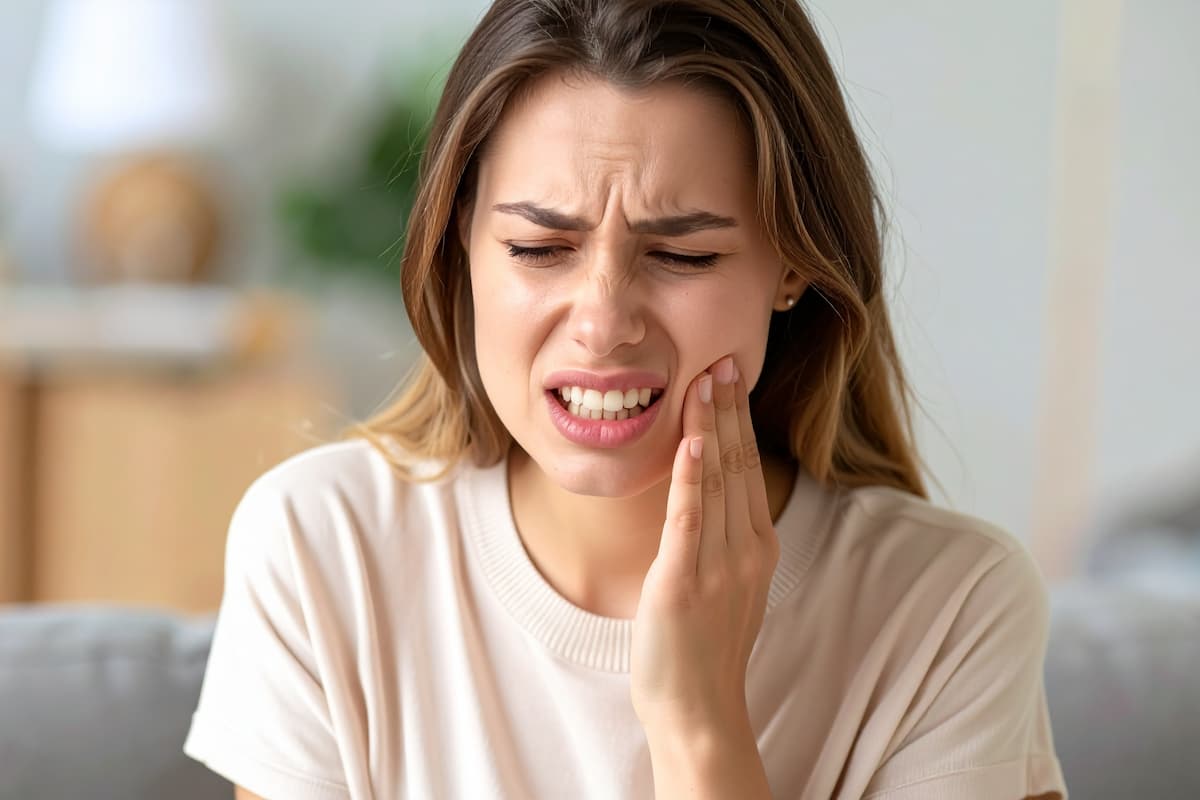
- Increased tooth sensitivity: Teeth may become more sensitive to temperature changes, sweet foods, or acidic substances as enamel thins and the underlying dentine becomes less protected.
- Smooth or glossy enamel surfaces: Eroded enamel can develop a smooth, almost polished appearance, particularly on biting surfaces.
- Yellowing: As enamel becomes thinner, the natural yellow colour of the underlying dentine may become more visible through the enamel.
- Rounded or worn edges: The edges of teeth, particularly front teeth, may appear more rounded or slightly translucent.
- Changes in tooth shape or surface texture: Cups or indentations may develop on the biting surfaces of back teeth over time.
If you notice any of these changes, particularly if they are progressive or accompanied by persistent discomfort, it would be appropriate to seek assessment from a qualified dental professional. These signs alone should not be used to self-diagnose enamel erosion.
Which Foods and Drinks Can Contribute to Enamel Erosion?
A wide range of everyday foods and drinks have an acidic pH that can contribute to enamel demineralisation when consumed frequently. This does not mean that all acidic foods should be avoided entirely; a balanced and nutritious diet is important for overall health, and many acidic foods offer genuine nutritional value. The concern lies primarily in the pattern and frequency of consumption.
Commonly cited dietary contributors to acid erosion include:
- Citrus fruits and juices: Oranges, lemons, grapefruits and their juices have a low pH and can soften enamel with repeated contact.
- Carbonated drinks: Many fizzy drinks, including diet varieties, are acidic due to their carbonation and added acids such as citric or phosphoric acid.
- Vinegar-based foods: Pickles, dressings and condiments containing vinegar can contribute to acid exposure.
- Sports and energy drinks: These are often acidic and may be consumed frequently or over long periods.
- Wine: Both red and white wine have an acidic pH and may contribute to erosion with regular consumption.
- Fruit teas and herbal infusions: Some fruit-flavoured drinks and teas are more acidic than they might appear.
It is worth noting that the temperature, dilution and consumption method can influence the degree of acid contact with enamel. Consuming acidic drinks through a straw, for example, can help reduce direct contact with the tooth surfaces.
How Can You Manage and Prevent Further Enamel Demineralisation?
Whilst a dental professional should be consulted for personalised advice, there are several general measures that are consistent with current dental-health guidance and may help reduce the risk of further enamel mineral loss:
Reduce the frequency of acid exposure. Rather than sipping an acidic drink throughout the day, consuming it in one sitting during a mealtime reduces the number of acid challenges the enamel faces.
Rinse with water after acidic exposure. Water helps dilute and clear acid from the mouth, which may support the natural buffering action of saliva. It does not replace saliva's remineralising capacity but can be a helpful first step.
Wait before brushing. Enamel is temporarily softened immediately after acid exposure. Brushing during this window may abrade the softened surface more readily. Waiting approximately 30–60 minutes before brushing may help reduce this risk, though the optimal timing can vary individually.
Use fluoride toothpaste as directed. Fluoride supports remineralisation by promoting the formation of fluorapatite within the enamel surface, which is more resistant to acid attack than hydroxyapatite. Use toothpaste according to its instructions and guidance from your dental professional.
Maintain regular dental check-ups. Dental examinations allow a professional to monitor enamel changes over time, identify contributing factors and advise on appropriate preventive measures. If you are based in London and looking for dental care, information about preventive dentistry options at Wimpole Dental may be a helpful starting point.
Discuss systemic contributing factors with an appropriate professional. Conditions such as acid reflux (gastro-oesophageal reflux disease) or recurrent vomiting can expose the teeth to stomach acids, which are highly acidic. If you experience these symptoms regularly, discussing them with a GP or appropriate healthcare professional is advisable, as addressing the underlying cause may help protect the teeth.
What Should You Avoid?
Alongside the positive measures outlined above, there are several behaviours that may contribute to enamel damage and are worth being aware of:
- Brushing immediately after eating or drinking acidic foods. As noted above, this can abrade temporarily softened enamel.
- Frequent sipping of acidic drinks throughout the day. This extends acid exposure significantly and limits the opportunity for remineralisation.
- Using abrasive toothpastes or unverified whitening products. Some abrasive products may exacerbate enamel wear, particularly if the enamel is already compromised.
- Assuming that lost enamel will grow back. Once enamel structure has been physically lost, it does not regenerate. Preventive action is most effective before significant erosion has occurred.
- Relying on home remedies in place of professional dental advice. There are various home remedies promoted online for enamel erosion; many are unverified and some may cause further harm. Professional assessment should always guide management decisions.
- Ignoring persistent tooth sensitivity. Sensitivity that is worsening, frequent or severe warrants professional assessment rather than self-management.
When Should You See a Dentist?
You do not need to wait until symptoms are severe before seeking dental advice. It may be appropriate to arrange a dental assessment if you notice:
- Persistent or increasing sensitivity to heat, cold or sweet foods
- Visible changes in the colour, shape or texture of your teeth
- Teeth that appear more yellow or translucent than previously
- Discomfort when eating or drinking acidic foods
- A sensation that your teeth feel rough or uneven
- Any concern about the progression of tooth wear
A dental examination is not a commitment to treatment. It allows a qualified professional to assess the current state of your teeth, identify any contributing factors, and discuss what options — if any — may be appropriate. Early identification of enamel changes can allow preventive measures to be introduced before more significant structural loss occurs.
What Might a Dentist Recommend?
The specific recommendations following a dental examination will depend on the individual's clinical findings, dental and medical history, and contributing lifestyle factors. In general, an assessment for enamel erosion or demineralisation may involve:
- A review of dietary habits and any medical conditions that might contribute to acid exposure
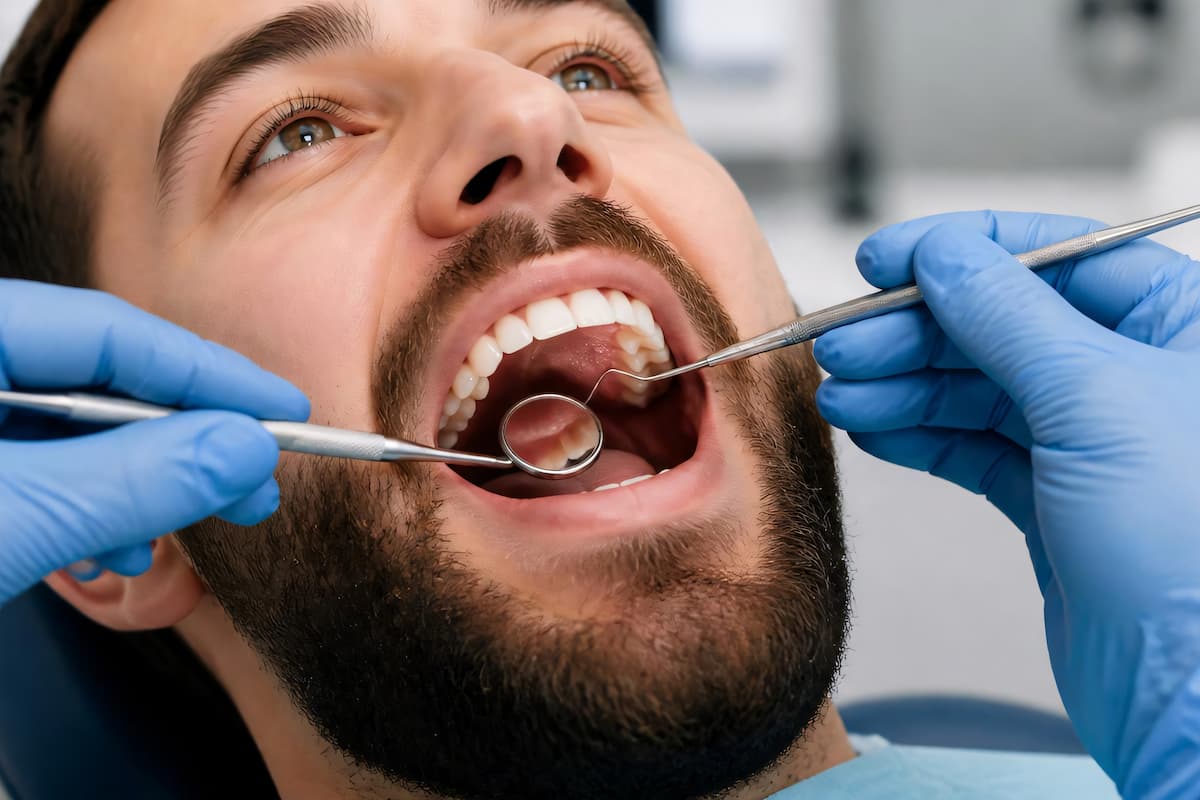
- Examination of the tooth surfaces for signs of wear, erosion or mineral loss
- Assessment of saliva flow and oral hygiene
- Discussion of relevant contributing factors and appropriate preventive strategies
Where early mineral loss is identified, preventive options such as fluoride application, dietary advice and monitoring may be appropriate. Where more significant erosion is present, restorative approaches may be discussed, though the suitability of these depends entirely on the clinical findings. A dentist can explain the available options after completing an assessment, especially when reduced salivary buffering intensifies acid effects.
For further information about what a dental assessment might involve, Wimpole Dental publishes details about their services and care approach on their website.
Frequently Asked Questions
What causes enamel demineralisation?
Enamel demineralisation occurs when acids dissolve calcium and phosphate minerals from the outer tooth surface. Dietary acids from foods and drinks are a common contributor, but acid reflux, frequent vomiting, reduced saliva flow and certain oral hygiene habits can also play a role. The frequency and duration of acid exposure are important factors.
Can acidic foods permanently damage tooth enamel?
Repeated or prolonged exposure to acidic foods and drinks can contribute to progressive enamel erosion over time. Once enamel has been physically worn away, the structural loss is permanent, as enamel cannot regenerate after the teeth have erupted. Early mineral loss may sometimes be partially managed through remineralisation if identified promptly.
Can demineralised enamel remineralise?
In some cases, early and superficial mineral loss may partially recover through remineralisation, supported by saliva, fluoride and reduced acid exposure. However, remineralisation does not restore physically lost enamel structure. It involves the redeposition of minerals onto the existing surface rather than the regeneration of eroded tooth tissue.
How long should I wait to brush my teeth after eating acidic food?
Waiting approximately 30–60 minutes before brushing after consuming acidic foods or drinks is a commonly cited guideline, as enamel can be temporarily softened by acid and more susceptible to abrasion. Rinsing with water immediately after acid exposure may help in the interim. Individual circumstances vary, so discuss timing with your dentist.
Does fluoride toothpaste help protect enamel from acid erosion?
Fluoride can support remineralisation by promoting the formation of fluorapatite in the enamel surface, which is more resistant to acid dissolution than the enamel's natural hydroxyapatite structure. Using fluoride toothpaste as directed is considered a reasonable preventive measure, though it should form part of a broader approach that includes reducing acid exposure and attending dental check-ups.
When should I see a dentist about enamel erosion?
It is appropriate to seek dental assessment if you experience persistent tooth sensitivity, notice visible changes to your tooth surfaces or colour, feel that your teeth are wearing or becoming more translucent, or have any concern about enamel loss. Dental assessment allows a qualified professional to evaluate the extent of any changes and advise on suitable management.
Disclaimer
This article is for general educational information only and is not a diagnosis or treatment plan. Symptoms and test results can have multiple causes that require individual clinical assessment. Always seek advice from a qualified medical or dental professional for persistent, worsening, or unclear symptoms. In emergencies, call 999 or attend A&E immediately.
Written Date: 2026-11-04 | Next Review Date: 2027-11-04