020 71832792
 info@privatedoctor.london
Managing Sudden Illness While Travelling: Same-Day Care in Central London
Becoming unwell away from home is unsettling at the best of times. When you are visiting London — whether for business, tourism or a short stay — navigating an unfamiliar healthcare system adds a layer of stress to what is already a difficult situation. The good news is that London offers a range of healthcare pathways for people in exactly this position. Understanding which option suits your symptoms, and when professional assessment genuinely matters, can help you make calmer, more informed decisions.
What Should You Do If You Become Ill While Travelling in London?
The appropriate response depends on how severe your symptoms are. Minor symptoms — a mild headache, slight cold or mild stomach upset — may be managed with pharmacy advice and rest. Persistent, worsening or significantly uncomfortable symptoms may warrant same-day professional assessment. If you are unsure which service to use, NHS 111 can guide you. Call 999 for any life-threatening emergency.
If you become unwell while visiting London:
- Assess how severe your symptoms are before deciding on a next step
- Consider speaking to a pharmacist for appropriate minor conditions
- Seek same-day professional assessment when symptoms are persistent, worsening or significantly affecting your ability to function
- Call NHS 111 (free, 24 hours) if you are unsure which service is right for you
- Call 999 immediately for any life-threatening symptoms
These categories are general guidance and are not a substitute for professional clinical assessment.
Common Health Problems Travellers May Experience
Sudden symptoms can have many possible causes, and the appropriate level of care depends on your symptoms and their severity. Travellers commonly experience respiratory symptoms such as sore throat, congestion or a mild cough. Stomach upsets, nausea, diarrhoea or vomiting may arise from dietary changes, travel fatigue or unfamiliar food. Headaches and general fatigue are frequently linked to dehydration or disrupted sleep patterns, both of which are common during travel.
Urinary symptoms, mild allergic reactions, minor skin concerns or difficulty managing an existing health condition while away from home may also arise. Whether any of these require professional assessment depends on their nature, duration, severity and whether you have any underlying health conditions. A healthcare professional may need to assess persistent or worsening symptoms — but not every traveller with a mild ailment requires clinical treatment.
For information about nurse-led health screening and testing services available in Central London, you can review the services listed at Walk In Clinic London, noting that testing or screening may form part of a broader healthcare pathway rather than a standalone response to acute illness.
When Might Same-Day Healthcare Be Appropriate?
There are circumstances where seeking a same-day assessment is sensible rather than waiting to see whether symptoms resolve on their own. These include:
- Symptoms that are worsening rather than gradually improving over time
- A persistent fever accompanied by other concerning symptoms
- Significant dehydration with an inability to retain fluids
- Recurrent vomiting lasting more than a few hours
- Painful or unusual urinary symptoms
- Symptoms that are substantially interfering with your ability to function normally
- Difficulty managing a pre-existing health condition while away from your usual support
- Situations where you are uncertain about whether your symptoms are safe to manage without advice
Same-day availability should be confirmed directly with whichever provider you contact, and services vary in scope. A walk-in healthcare appointment does not guarantee any particular outcome, diagnosis or treatment.
What Are Your Healthcare Options in Central London?
Pharmacy
A registered pharmacist can assess minor symptoms and recommend appropriate over-the-counter treatments. Pharmacies are widely accessible across Central London without an appointment. The pharmacist can also advise on suitability for people with allergies or existing conditions.
NHS 111
NHS 111 is a free telephone and online service (available at 111.nhs.uk) that helps you identify the right healthcare pathway when you are unsure. It is available 24 hours a day, seven days a week, and can direct you to local services appropriate to your symptoms.
Same-Day or Walk-In Healthcare
Both NHS and private same-day services exist in London. These vary considerably in their scope. Before attending, confirm what the service actually provides, whether an appointment is required, what the current fees are for private services, and whether the provider can assess your specific concern. Private walk-in services are not universally equivalent; some focus on testing and screening, while others offer broader clinical assessment.
Travellers interested in nurse-led blood testing or health screening services can check the appointment and service information on the Walk In Clinic London website to understand current availability and eligibility.
A&E and 999
Accident and Emergency departments are for serious and potentially life-threatening conditions. They are not intended for minor illnesses, and using them for non-emergency situations places pressure on services needed by those in genuine emergencies.
Can Visitors and Tourists Use Private Healthcare in London?
Private healthcare services in London are generally accessible to visitors regardless of where they live, subject to individual providers' eligibility criteria, service scope and fees. You do not need to be registered with a London GP to access many private services.
When attending a private service, it is helpful to confirm in advance:
- What identification, if any, is required
- Whether an appointment must be booked or whether walk-in access is available
- The consultation or testing fees and accepted payment methods
- Whether your travel insurance policy covers private healthcare costs (retain all receipts)
- What documentation the provider can supply if your travel plans are disrupted
Travel insurance policies vary significantly. Do not assume that private healthcare costs will automatically be reimbursed; check your policy and follow your insurer's claims procedures.
What Information Should You Have Ready?
When seeking same-day healthcare as a traveller, having the following available will help any healthcare professional understand your situation more quickly:
- A clear description of your current symptoms and when they began
- Any known allergies, including to medicines
- A list of medicines you are currently taking (including dosage if known)
- Any existing health conditions
- Your travel history, if it may be clinically relevant
- Pregnancy status if applicable
- Identification and travel insurance details if required by the provider
Could Testing Be Useful?
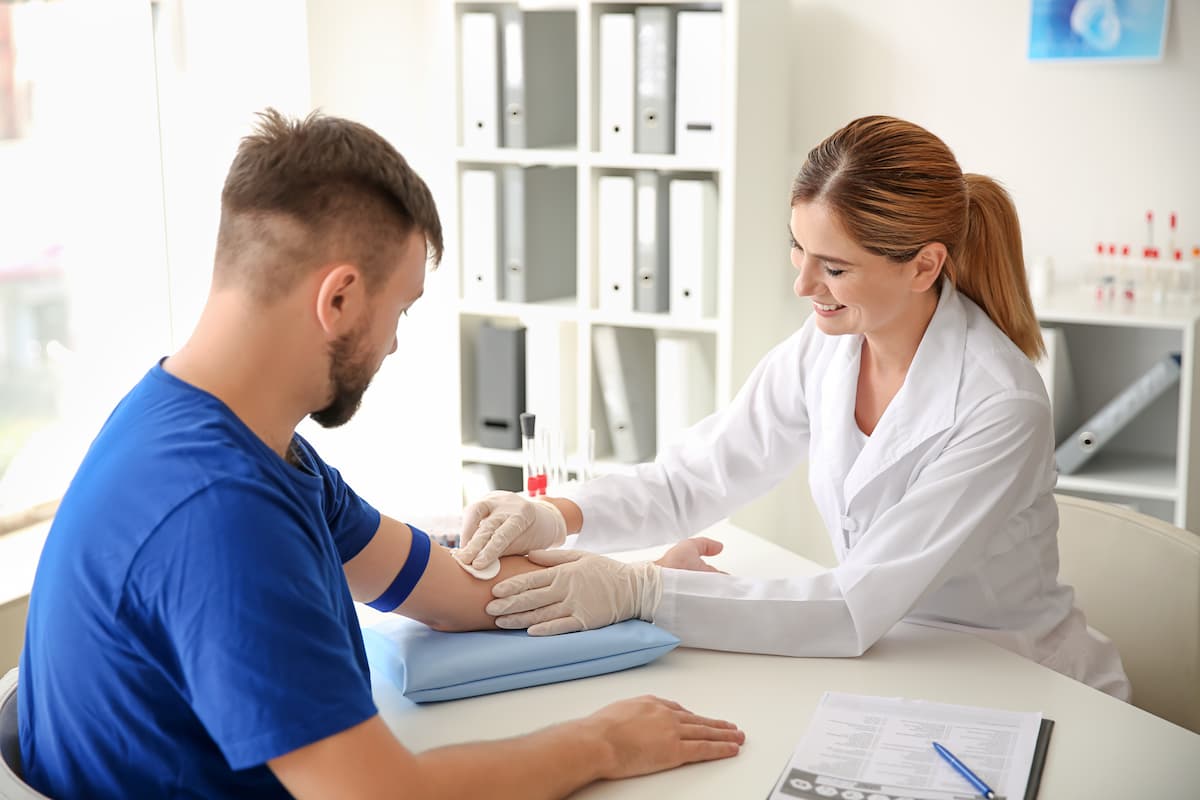
In some circumstances, a healthcare professional may consider whether diagnostic testing would help clarify a clinical picture. The appropriateness of testing depends entirely on the symptoms presented and the clinical judgement of the professional involved. Testing should always be relevant to the clinical concern rather than undertaken broadly.
Travellers who have a specific reason to consider health screening or blood testing — separate from acute illness — can find information about private blood-testing services at Walk In Clinic London and full-body health screening pathways, and confirm current services directly with the provider before attending.
When to Call NHS 111
Call NHS 111 when you:
- Need urgent medical guidance but are not sure which service to use
- Have symptoms that concern you but do not appear immediately life-threatening
- Need to find an appropriate local service
- Are unsure whether your symptoms require same-day assessment
NHS 111 does not replace emergency services. If a 111 adviser considers your symptoms require emergency care, they will direct you accordingly.
When to Call 999 or Attend A&E
Call 999 immediately for life-threatening symptoms, including:
- Severe difficulty breathing
- Loss of consciousness or unresponsiveness
- Suspected stroke symptoms (face drooping, arm weakness, speech problems — act FAST)
- Severe chest pain that may indicate a cardiac emergency
- Severe allergic reaction (anaphylaxis)
- Major uncontrolled bleeding
- Seizures in certain circumstances
- Serious injury
Call 999 for a life-threatening emergency. Do not attempt to travel to A&E independently in these situations.
What to Do If You Need Medicine While Travelling
If you have run out of medication or left it at home, a pharmacist is often a useful first step. Pharmacists can advise on suitable over-the-counter options for certain conditions and can discuss whether an emergency supply of a regular prescription medicine may be possible in limited circumstances.
Always inform the pharmacist of your existing conditions, allergies and current medicines before purchasing anything. Do not borrow prescription medicines from another person. Use any medicine according to professional advice and the packet instructions.
Prescription-medicine issues — including those requiring renewal — may require referral through an appropriate clinical pathway.
How to Reduce Disruption to Your Trip
- Seek appropriate advice promptly rather than ignoring worsening symptoms
- Rest adequately and stay appropriately hydrated
- Keep a note of your current medicines and dosages accessible on your phone or in your bag
- Retain receipts and any documentation provided, particularly if making a travel insurance claim
- Check your insurer's procedures before seeking private care where possible
- Rearrange strenuous activities or commitments if illness makes them unsuitable
Frequently Asked Questions
What should I do if I get sick while visiting London?
Assess the severity of your symptoms. Minor symptoms may be managed with pharmacy advice. Worsening or persistent symptoms may require professional assessment. Call NHS 111 if you are unsure which service is appropriate, and call 999 for any life-threatening emergency.
Can tourists access same-day healthcare in London?
Yes, several same-day healthcare options exist in London, including pharmacies, NHS 111 guidance, NHS walk-in services and private providers. Availability and service scope vary, so confirm directly with the provider before attending.
Can I use a walk-in clinic if I am not registered with a London GP?
Many private walk-in services do not require GP registration. Eligibility, services offered and fees vary between providers. Contact the clinic directly to confirm whether they can assist with your particular concern and what identification or payment they require.
Should I call NHS 111 if I become ill while travelling?
NHS 111 is an appropriate first step when you are unsure which healthcare service suits your symptoms. It is free, available around the clock and can direct you to a suitable local option. It does not replace 999 for genuine emergencies.
When should I go to A&E instead of a walk-in service?
A&E is for serious or potentially life-threatening conditions such as severe breathing difficulties, suspected stroke, chest pain suggestive of a cardiac emergency, severe allergic reactions or major injury. For non-emergency concerns, NHS 111 or an appropriate same-day service is more suitable.
Can I get blood tests while visiting London?
Certain private providers offer nurse-led blood testing or health screening services that may be accessible to visitors. For information about currently available testing services, check the provider's service pages and confirm current availability, eligibility and fees directly with the provider.
What should I do if I run out of medication while travelling?
Speak to a pharmacist as a first step. In some circumstances a pharmacist may be able to advise on an emergency supply of a regular prescription medicine. For prescription renewals or clinical advice, an appropriate healthcare pathway will be necessary. Do not take another person's prescription medicine.
Disclaimer
This article is for general information only and is not medical advice, diagnosis, or treatment; seek qualified healthcare assessment for concerning symptoms, and call 999 or attend A&E in an emergency.
Written Date: 25 September 2026 | Next Review Date: 25 September 2027