020 71832792
 info@privatedoctor.london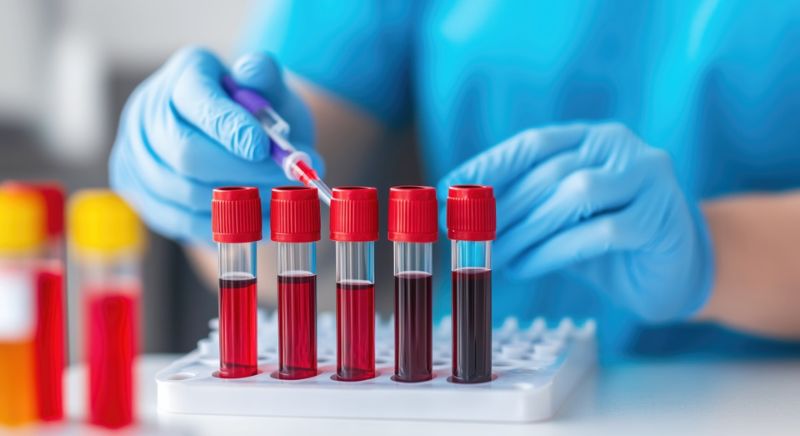
Understanding Common Blood Tests Your GP Might Order
Common blood tests are among the most frequently requested diagnostic tools in UK healthcare. Whether you have received a referral from a healthcare professional or are simply curious about your baseline health, understanding what these tests measure — and what your results may suggest — is an important step towards informed health awareness.
In London, many individuals are now choosing to access private blood tests proactively, without waiting for a clinical referral. This guide explains the most commonly ordered panels, what each biomarker may indicate, and how regular testing can support long-term wellbeing.
What Are Common Blood Tests? A Clear Definition
Common blood tests are laboratory analyses performed on a blood sample to measure specific markers in the body. These markers can relate to organ function, nutritional status, immune response, hormone levels, and more. Results are used to build a clearer picture of an individual's current health status.
A standard blood test involves drawing a small sample from a vein — typically from the arm — which is then analysed in a laboratory. Results are usually available within 24 to 72 hours, depending on the panel requested.
Blood tests do not diagnose conditions on their own. Rather, they provide data points that, when reviewed in the context of a person's health history, may help to identify patterns worth exploring further with an appropriate healthcare professional.
The Most Commonly Ordered Blood Test Panels Explained
Full Blood Count (FBC)
The Full Blood Count is one of the most widely requested blood tests in the UK. It measures:
- Red blood cells (RBCs): May suggest issues with oxygen transport
- White blood cells (WBCs): Can indicate immune activity levels
- Haemoglobin: Sometimes highlights low iron or anaemia patterns
- Platelets: May reflect clotting ability
A low haemoglobin reading, for example, can sometimes suggest iron deficiency — one of the most common nutritional shortfalls in the UK, particularly among women of reproductive age.
Practical Insight: An FBC alone cannot confirm a diagnosis but can highlight areas worth discussing with a healthcare professional.
Metabolic Panel and Liver Function Tests (LFTs)
A metabolic panel assesses how well key organs are functioning. Liver function tests within this panel typically measure:
- ALT and AST (liver enzymes): Elevated levels may suggest liver stress
- Bilirubin: Can indicate how well the liver processes waste
- Albumin: May reflect nutritional status and liver protein synthesis
- Alkaline phosphatase (ALP): Sometimes associated with bone or liver changes
Practical Insight: Lifestyle factors such as alcohol intake, diet, and medication use can all influence liver markers, making periodic testing a useful baseline tool.
Kidney Function (Renal Profile / U&Es)
The urea and electrolytes (U&E) test assesses kidney health by measuring:
- Creatinine and urea: May indicate how efficiently kidneys filter waste
- Electrolytes (sodium, potassium, chloride): Important for fluid balance and cell function
- eGFR (estimated glomerular filtration rate): A calculated measure of kidney filtering capacity
Practical Insight: Kidney function markers can be influenced by hydration levels, so results are always best reviewed in a wider clinical context.
Thyroid Function Tests (TFTs)
The thyroid profile is frequently requested when individuals report changes in energy, weight, mood, or temperature regulation. Key markers include:
- TSH (Thyroid Stimulating Hormone): The primary indicator of thyroid activity
- Free T4 and Free T3: Active thyroid hormones affecting metabolism
An elevated TSH may sometimes suggest underactive thyroid (hypothyroidism), while a suppressed TSH can indicate overactivity. These findings always require professional clinical review, as interpretation depends on individual health history and clinical context. Treatment suitability and any clinical decisions should only be made following assessment by an appropriate healthcare professional.
For those interested in hormone health, our hormone blood tests page provides further detail on available panels.
Lipid Profile (Cholesterol Panel)
A lipid profile measures fats in the bloodstream:
| Marker | What It May Reflect | |---|---| | Total Cholesterol | Overall lipid load in blood | | LDL ("bad" cholesterol) | May indicate cardiovascular risk factor | | HDL ("good" cholesterol) | Higher levels are generally considered protective | | Triglycerides | Can be influenced by diet, alcohol, and metabolic health | | Total:HDL Ratio | A useful combined cardiovascular risk indicator |
Lipid results are most meaningful when considered alongside other health data such as blood pressure, age, and lifestyle factors.
Blood Glucose and HbA1c
- Fasting glucose: Measures blood sugar at a single point in time
- HbA1c: Reflects average blood glucose levels over approximately 10–12 weeks
HbA1c is particularly useful for identifying patterns of elevated blood sugar over time. An HbA1c result in the higher range may sometimes suggest pre-diabetic patterns — a finding that warrants professional discussion.
Practical Insight: HbA1c does not require fasting, making it a practical marker for regular health monitoring.
Vitamin and Mineral Panels
Nutritional deficiencies are increasingly common in the UK. Frequently tested markers include:
- Vitamin D: Deficiency is widespread in the UK, particularly during winter months
- Vitamin B12 and Folate: Important for nerve function and red blood cell production
- Ferritin (iron stores): A more sensitive measure of iron status than serum iron alone
- Magnesium and Zinc: Less commonly tested but relevant to immune and metabolic function
To explore nutritional testing options, visit our vitamin and mineral blood tests page.
Who Should Consider Regular Blood Testing?
Blood testing is not exclusively for those who feel unwell. Many individuals benefit from proactive testing, including:
- Adults over 40 looking to establish a health baseline
- Individuals with a family history of cardiovascular or metabolic conditions
- Those experiencing persistent fatigue, weight changes, or mood shifts
- People following restrictive diets (e.g. vegan or plant-based) who may be at risk of nutritional gaps
- Anyone returning from periods of high stress, illness, or lifestyle disruption
- Individuals interested in sexual health screening alongside general health panels
Our sexual health blood tests offer confidential screening that can be combined with general health panels in a single appointment.
How Often Should You Have Blood Tests?
There is no universal answer, as testing frequency depends on age, health status, and personal health goals. General guidance suggests:
- Annual testing is appropriate for most healthy adults seeking a health overview
- More frequent monitoring may be advisable if previous results highlighted areas for review
- Seasonal testing (e.g. vitamin D in autumn/winter) is increasingly popular in the UK
Private blood testing in London allows individuals to access testing on their own schedule, without waiting for NHS referral pathways — which some individuals find helpful when seeking results within a preferred timeframe.
What Do Blood Test Results Mean?
Results are typically presented alongside a reference range — a statistically derived interval representing values found in a healthy population. Results outside this range are flagged, but this does not automatically indicate a problem.
A result that falls slightly outside a reference range may:
- Reflect normal variation for that individual
- Be influenced by hydration, time of day, or recent meals
- Warrant a repeat test to confirm a pattern
- Merit discussion with an appropriate healthcare professional
Our clinic provides testing and full written reporting only. Any results that may require clinical follow-up are accompanied by guidance on seeking appropriate care.
For a full overview of what is included in our health panels, visit our blood test packages page.
Private Blood Testing in London: NHS vs Private at a Glance
| Factor | NHS Blood Testing | Private Blood Testing London | |---|---|---| | Access | Requires GP referral | Self-referral, no GP needed | | Waiting time | Variable | Typically fast turnaround | | Panel flexibility | Determined by clinician | Wide range of panels available | | Result detail | Clinician-reviewed reporting | Written reports including reference ranges and follow-up guidance | | Cost | Free at point of use | Fee-based, transparent pricing | | Appointment availability | Subject to NHS capacity | Flexible scheduling |
Both pathways have value. Private testing is particularly suited to those seeking proactive screening or faster access to a broader range of markers.
Frequently Asked Questions (FAQs)
1. What are the most common blood tests ordered in the UK?
The most commonly ordered blood tests in the UK include the Full Blood Count (FBC), liver and kidney function tests, thyroid function, lipid profile, HbA1c, and vitamin and mineral panels such as vitamin D, B12, and ferritin. These panels form the basis of most routine health screening assessments and provide a broad overview of key bodily functions.
2. Can I book common blood tests privately in London without a GP referral?
Yes. Private blood testing clinics in London allow you to self-refer for a wide range of blood panels without requiring a referral from a GP or any other healthcare professional. This makes it straightforward to access testing at a time that suits you, with results typically available within 24 to 72 hours.
3. What does a Full Blood Count (FBC) test measure?
A Full Blood Count measures red blood cells, white blood cells, haemoglobin, and platelets. It can sometimes highlight patterns associated with anaemia, immune activity, or clotting concerns. Results should always be reviewed in the context of your wider health history by an appropriate healthcare professional.
4. How long does it take to receive blood test results from a private clinic?
Most standard blood panels processed through a private clinic in London return results within 24 to 72 hours. Some specialist markers may take slightly longer. You will receive a written report outlining your results alongside relevant reference ranges and supporting information.
5. What is HbA1c and why is it tested?
HbA1c measures your average blood glucose levels over approximately 10 to 12 weeks. Unlike a single fasting glucose reading, HbA1c provides a longer-term picture of blood sugar patterns. It is commonly used as part of metabolic health screening and does not require fasting before the test, making it a practical and informative marker.
6. Do I need to fast before a blood test?
Fasting is required for some tests, such as fasting glucose and full lipid profiles, but not for others such as HbA1c, thyroid function, or vitamin panels. When you book your appointment, you will be advised which tests require fasting and for how long — typically 8 to 12 hours — to ensure accurate results.
7. What might low vitamin D levels suggest?
Low vitamin D levels can sometimes suggest insufficient sun exposure, dietary intake, or absorption. In the UK, vitamin D deficiency is particularly common during autumn and winter months. Testing can help identify whether levels fall below the recommended threshold, after which an appropriate healthcare professional can offer guidance.
8. Can blood tests detect sexual health conditions?
Certain blood tests can screen for sexually transmitted infections (STIs) such as HIV, syphilis, hepatitis B, and hepatitis C. These are typically offered as part of dedicated sexual health screening panels and can be combined with general health testing in a single appointment at our London clinic.
9. What should I do if my blood test results are abnormal?
If your results fall outside the reference range, your written report will include guidance on recommended next steps. Our clinic provides testing and reporting only. For any results requiring clinical assessment, you should consult an appropriate healthcare professional, such as your GP or a relevant specialist.
10. How much do private blood tests cost in London?
The cost of private blood tests in London varies depending on the panel or package selected. For accurate and up-to-date pricing, please visit our blood tests page where all available options and associated costs are listed transparently.
Taking a Proactive Approach to Your Health in London
Understanding what your blood test results may indicate is one of the most empowering steps you can take towards long-term health awareness. Whether you are seeking a comprehensive baseline, monitoring a known nutritional gap, or simply want to feel more informed about your body, regular blood testing can provide data-driven insight that may support informed conversations with a healthcare professional.
At our nurse-led private clinic in London, we provide accessible, professional blood testing and written reporting across a wide range of panels — all without the need for a GP referral. Our team aims to deliver a comfortable, confidential, and informative experience.
Ready to take the next step? Explore our full range of blood test panels and book at a time that works for you. Proactive health awareness starts with a single test.
EEAT Authority Note
This article has been written by a senior UK medical content specialist with expertise in preventive health screening and diagnostic blood testing. All content is aligned with current UK clinical guidelines, GMC advertising standards, CQC patient communication requirements, and ASA editorial guidelines. Biomarker explanations are based on established laboratory reference frameworks used within UK healthcare settings. This content is reviewed periodically to reflect evolving best practice.
Disclaimer
This article is intended for educational and informational purposes only. It does not constitute medical advice, diagnosis, or treatment. The content provided here should not be used as a substitute for professional medical advice from a qualified healthcare professional. If you have concerns about your health, symptoms, or blood test results, you should seek assessment from an appropriate healthcare professional. Individual health circumstances vary, and no article can account for personal medical history. Our clinic provides blood testing and written reporting services only — we do not offer diagnosis, prescriptions, or treatment of any kind. Results should always be interpreted in the context of your wider health by a suitably qualified professional.
Written Date: 16 September 2026
Next Review Date: 16 September 2027